Meat slicing is a foundational culinary skill that enhances tenderness, flavor, and presentation․ This guide explores essential techniques, tools, and safety tips for perfect results, catering to home cooks and professionals alike․
Importance of Proper Meat Slicing
Proper meat slicing is crucial for achieving optimal texture, moisture, and flavor in dishes․ Slicing against the grain ensures tenderness by shortening muscle fibers, while even cuts promote consistent cooking․ Thin, uniform slices enhance presentation and prevent overcooking․ Chilling meat firms it, reducing fat smearing and making precise cuts easier․ Accurate slicing preserves the integrity of the meat, maintaining its natural juices and flavor profile․ Whether for stir-fries, sandwiches, or roasts, proper slicing elevates the dining experience, making it essential for home cooks and professionals alike to master this skill․
Overview of Meat Slicing Techniques
Meat slicing techniques vary based on desired outcomes, from thin, uniform cuts to artistic presentations․ Straight cutting yields even slices, while bias cutting adds visual appeal․ Julienne technique creates thin strips for stir-fries․ Slicing against the grain ensures tenderness by cutting perpendicular to muscle fibers․ Tools like sharp knives and meat slicers are essential, with chilling meat enhancing precision․ Each method requires practice to master, offering versatility for various dishes․ These techniques, when executed properly, elevate both flavor and presentation, making them indispensable in culinary preparation․
Understanding Meat Structure
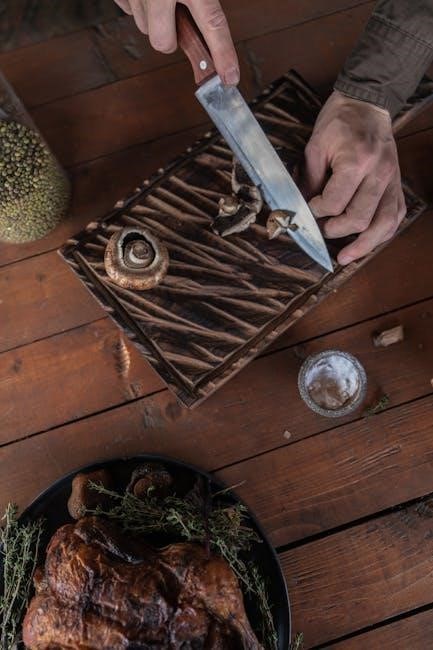
Meat structure, including muscle fibers and fat distribution, plays a crucial role in slicing․ Recognizing grain direction ensures tender cuts, while fat content affects slicing ease and texture․
The Role of Muscle Fibers in Meat
Muscle fibers significantly impact meat slicing․ They form the grain, which, when cut against, results in tender slices․ Cutting parallel to the grain can make meat tough․ Proper slicing techniques, such as those demonstrated by chefs, involve identifying and cutting across these fibers to enhance texture and flavor․ This method ensures each bite is juicy and easy to chew, making dishes more enjoyable․ Understanding muscle fibers is key to achieving professional slicing results, whether for beef, poultry, or pork․
Identifying the Grain Direction
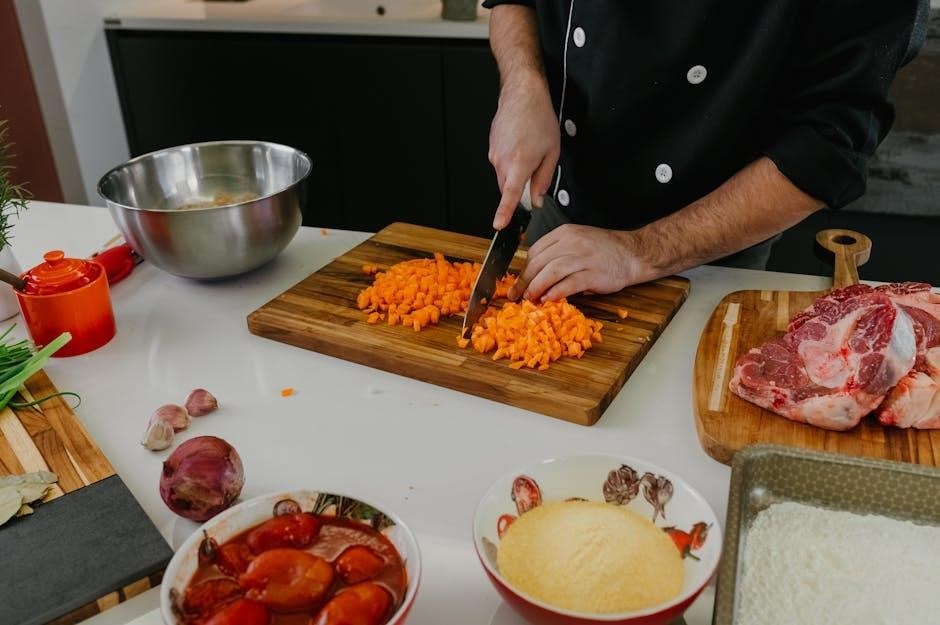
Identifying the grain direction is crucial for optimal meat slicing․ The grain refers to the alignment of muscle fibers, visible as lines or striations on the meat’s surface․ To locate it, examine the meat closely before slicing․ Cutting against the grain, or perpendicular to these fibers, ensures tender and easier-to-chew slices․ This technique is especially effective for beef, poultry, and pork․ Proper identification enhances both texture and flavor, making it a fundamental step in achieving professional slicing results․ Always use a sharp knife to make clean, precise cuts for the best outcomes․
How Meat Texture Affects Slicing
Meat texture significantly impacts slicing outcomes, as it determines tenderness and ease of cutting․ Tender meats, like chicken or turkey, slice smoothly and evenly, while tougher cuts require precise techniques․ Fatty meats, such as pork belly, may resist clean cuts due to fat layers․ Connective tissue in meats like beef or lamb can make slicing challenging if not handled correctly․ Understanding the texture helps in choosing the right tool and method, ensuring uniform slices․ Chilling the meat firms it up, reducing fat smearing and making the slicing process more manageable for consistent results․
Essential Tools for Meat Slicing
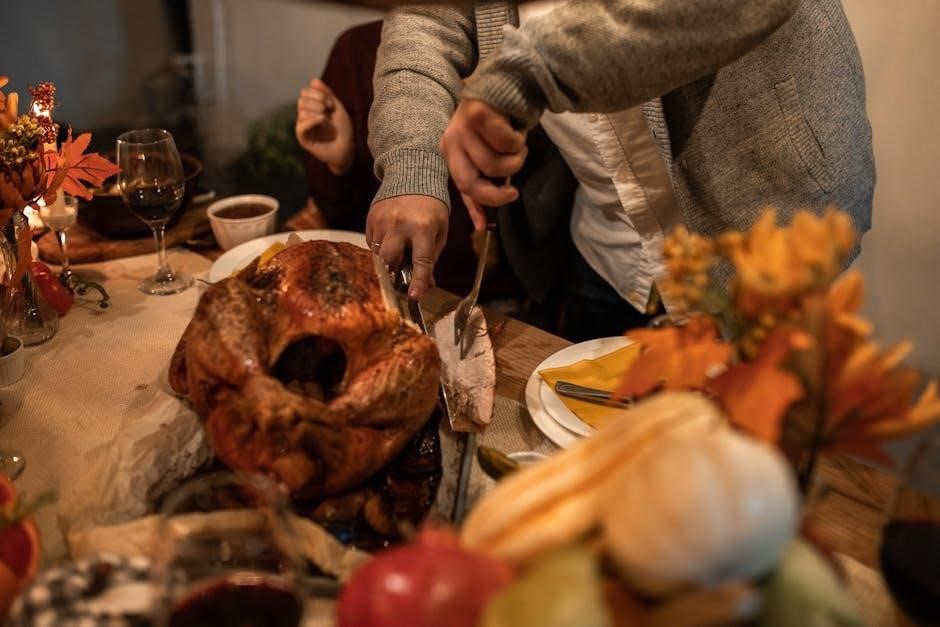
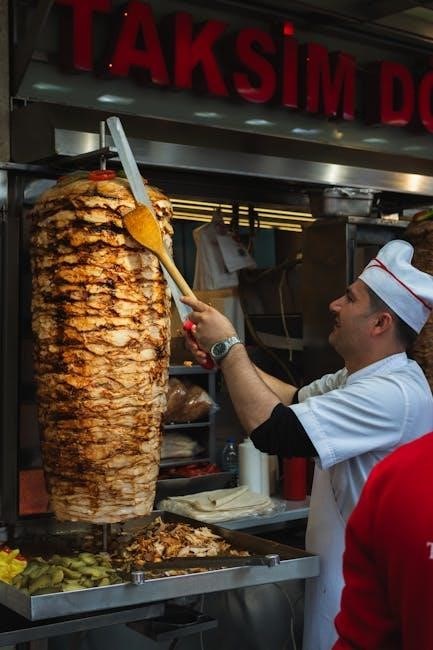
A sharp knife is indispensable for precise cuts, while meat slicers offer efficiency for thin, uniform slices․ Additional tools like cutting boards and specialized blades enhance slicing accuracy․
Choosing the Right Knife
Selecting the right knife is crucial for precise meat slicing․ A sharp, high-quality chef’s knife or slicer knife is ideal, as they ensure clean cuts and prevent tearing․ For thinner slices, a razor-sharp blade is essential, while serrated knives work well for fatty or fibrous meats․ Maintaining knife sharpness is key, as dull blades can smear fats and make slicing uneven․ Regular honing and proper storage will extend the life of your knife, ensuring consistent results․ The right knife, paired with proper technique, elevates the quality of your sliced meats, making every dish more flavorful and visually appealing․
The Role of Meat Slicers
Meat slicers are indispensable tools for achieving uniform, precise cuts effortlessly․ They are especially useful for thin, even slices, which are ideal for dishes like sandwiches or stir-fries․ Electric or manual slicers save time and effort, ensuring consistency in thickness and reducing waste․ Slicers are perfect for handling large quantities of meat, making them a must-have for both home cooks and professionals․ They also allow for adjustments in slice thickness, catering to various culinary needs․ By streamlining the slicing process, meat slicers enhance efficiency and precision, making them an essential addition to any kitchen focused on producing high-quality results․
Additional Tools for Precision Slicing
Beyond knives and slicers, other tools enhance precision slicing․ A sturdy cutting board provides stability, while a meat clamp or claw prevents movement during slicing․ Sharpening tools, like whetstones or sharpeners, maintain blade effectiveness․ A slicing guide or gauge ensures uniform thickness, and a meat mallet can tenderize fibers for easier cutting․ Optional accessories include a vacuum sealer for preserving sliced meats and a food scale for portion control․ These tools collectively improve efficiency, safety, and consistency, helping to achieve professional-grade results in the kitchen․ They are invaluable for home cooks and pros aiming for precise, high-quality meat slices․
Basic Slicing Techniques
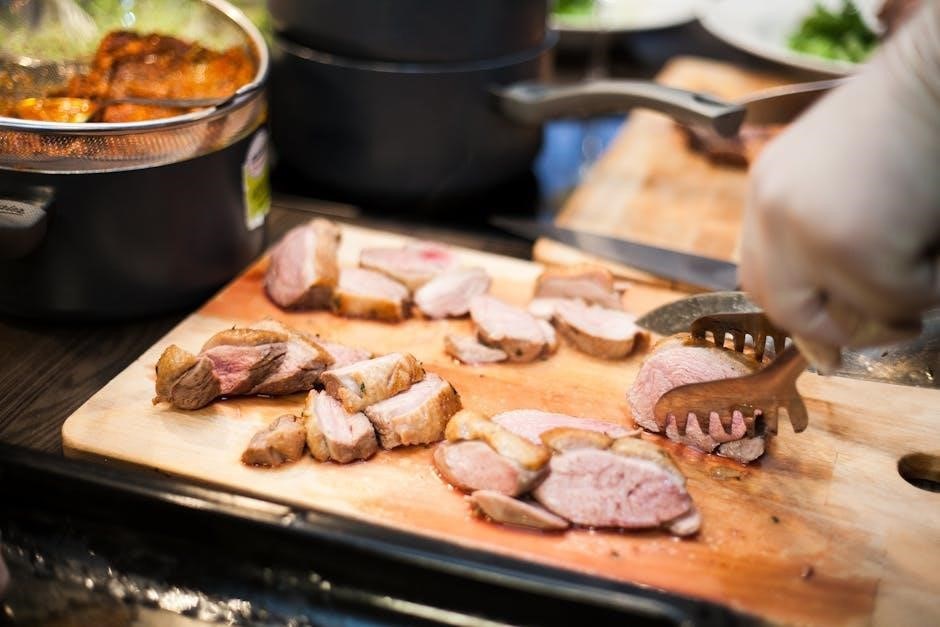
Mastering fundamental slicing methods is crucial for achieving consistent results․ Techniques include straight cuts for even thickness, bias cuts for visual appeal, and julienne for thin strips․ Essential tools and proper knife skills ensure precision and safety, while understanding meat structure optimizes tenderness and flavor․ These foundational methods are versatile, applicable to various meats, and form the basis for more advanced techniques, helping home cooks and professionals create dishes with ease and confidence․
Straight Cutting Method
The straight cutting method involves slicing meat in a smooth, continuous motion parallel to the cutting board․ This technique is ideal for achieving even, uniform slices․ To execute it effectively, ensure the meat is firmly secured and use a sharp knife to glide effortlessly through the flesh․ Chilling the meat slightly can enhance precision, while aligning the knife with the grain direction helps maintain texture and tenderness․ Steady pressure is key to maintaining consistent thickness, making this method perfect for dishes requiring uniformity, such as sandwiches or stir-fries․ It’s a simple yet effective approach for both home cooks and professionals․
Bias Cutting Technique
The bias cutting technique involves slicing meat at an angle to create diagonal, visually appealing cuts․ This method is particularly effective for tenderizing tougher cuts of meat, as the angled slices reduce chewiness․ To perform a bias cut, place the meat on a cutting board and identify the grain direction․ Hold the knife at a 45-degree angle and slice across the meat in smooth, even strokes․ This technique is ideal for dishes like stir-fries or salads, where presentation matters․ For optimal results, use a sharp knife and apply steady pressure to ensure clean, precise cuts․ Bias cutting enhances both texture and flavor, making it a versatile skill for home cooks and professionals alike․
Julienne Cutting for Thin Strips
Julienne cutting involves slicing meat into thin, uniform strips, typically 1/8 inch thick and 2-3 inches long․ This technique is ideal for dishes like stir-fries, soups, and salads, where quick cooking and even texture are desired․ To achieve julienne cuts, chill the meat slightly to firm it up, then slice it into thin sheets․ Stack the sheets and cut them into long, narrow strips․ A sharp knife is essential to avoid tearing the meat․ Julienne cutting ensures uniform cooking and a professional presentation, making it a valuable skill for home cooks and chefs alike․ Proper technique guarantees consistent, visually appealing results․
Slicing Different Types of Meat
Mastering various slicing techniques for beef, poultry, pork, and other meats requires understanding their unique textures and grain directions to achieve optimal results in every dish․
Slicing Beef: Tips and Techniques
Slicing beef requires precision to ensure tenderness and flavor․ Always use a sharp knife and cut against the grain․ For steaks, slice thinly after chilling to firm the meat․ Tip: Let cooked beef rest before slicing to retain juices․ For raw beef, freeze slightly to ease handling․ Technique: Apply steady pressure and slice in smooth, even strokes․ Thin slices are ideal for dishes like stir-fries, while thicker cuts suit sandwiches․ Pro tip: Use a meat slicer for uniformity or a chef’s knife for more control․ Proper slicing enhances the dining experience, making every bite effortlessly enjoyable․
Poultry Slicing: Chicken and Turkey
Slicing poultry requires attention to texture and structure․ For chicken and turkey, use a sharp knife to ensure clean cuts․ Tip: Slice breasts and thighs separately for uniformity․ Chilling the meat slightly firms it up, making it easier to handle․ Technique: Cut against the grain for tender slices․ For thinly sliced turkey, let it rest before carving․ Pro tip: Use a serrated knife for crispy skin or a chef’s knife for lean meat․ Even slicing ensures consistent cooking and enhances presentation in dishes like sandwiches or salads․ Always prioritize safety and hygiene when handling poultry․
Pork Slicing: From Loin to Belly
Pork slicing varies by cut, requiring tailored techniques․ For loin, slice thinly against the grain for tender results․ Tip: Use a sharp knife to avoid tearing․ Belly, with its fatty layers, benefits from steady pressure and a straight cut․ Chilling the meat firms it up, reducing fat smearing․ Pro tip: Slice belly into even strips for crispy textures․ Uniform slices ensure consistent cooking, whether for roasting or pan-frying․ Always maintain hygiene and safety when handling pork․ These methods elevate dishes like stir-fries and sandwiches, showcasing pork’s versatility in both lean and rich cuts․
Other Meats: Lamb, Venison, and More
Lamb and venison require precise slicing techniques․ Lamb: Opt for thin, even cuts against the grain for tenderness․ Venison: Slice thinly, as over-cutting can make it tough․ Game meats: Use a sharp knife to handle dense muscle fibers․ Exotic meats: Chill before slicing to maintain structure․ Key tip: Always slice against the grain for a more tender texture․ Hygiene: Ensure tools are sanitized to prevent contamination․ These methods enhance the flavor and texture of various meats, making them ideal for grilling, roasting, or stir-frying․ Proper slicing ensures a memorable dining experience․
Safety Precautions
- Always handle knives with care, keeping fingers away from blades․
- Use cut-resistant gloves for added protection․
- Ensure tools are properly sanitized before and after use․
Handling Knives Safely
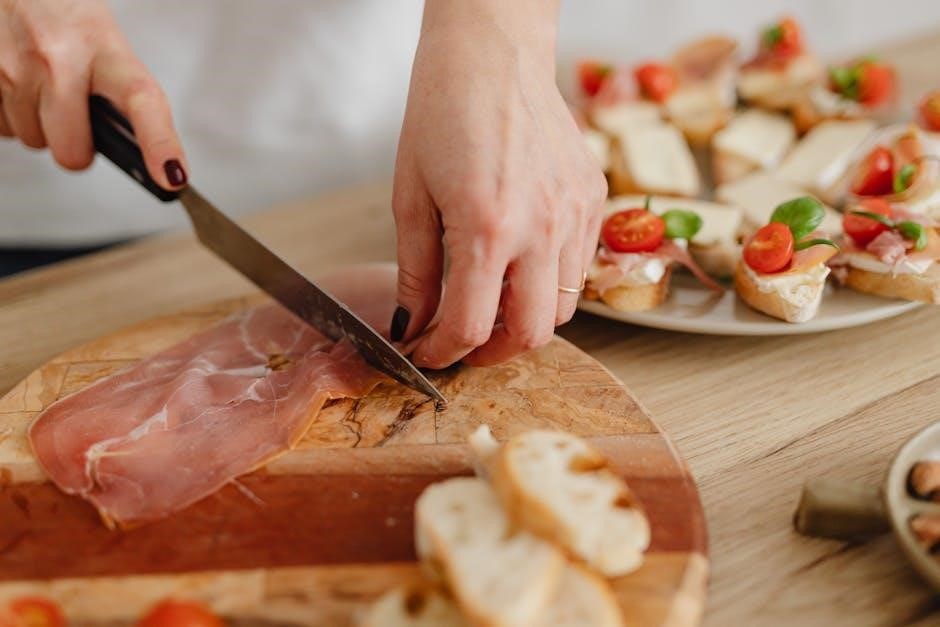
Handling knives safely is crucial to prevent accidents․ Always use a sharp knife, as dull blades require more force and increase the risk of slipping․ Grip the knife firmly with a controlled hold, keeping fingers curled under and out of the blade’s path; Cut away from your body and ensure the cutting surface is stable․ Never leave sharp knives unattended or within reach of children․ Store knives in a secure place, such as a knife block or protective sleeve․ Avoid distractions while cutting, and maintain focus to ensure precise, injury-free slicing․
Preventing Accidents in the Kitchen
Preventing accidents in the kitchen is essential for safe meat slicing․ Always ensure the cutting surface is stable, clear of clutter, and non-slip․ Store sharp tools in a knife block or protective sleeve to avoid accidental contact․ Keep loose clothing or jewelry tied back, and avoid distractions while slicing․ Never leave sharp objects within reach of children․ Regularly inspect knives and slicers for damage or dullness, as these can lead to unpredictable behavior․ Proper hygiene practices, such as cleaning tools and surfaces, also prevent cross-contamination, ensuring a safer and more efficient slicing process․
Proper Hygiene Practices
Proper hygiene is vital when handling and slicing meat to ensure safety and quality․ Always wash your hands thoroughly with soap and warm water before and after handling meat․ Sanitize cutting boards, knives, and slicers with antibacterial cleaners or a vinegar solution․ Regularly clean surfaces to prevent cross-contamination․ Store raw and cooked meats separately to avoid mixing bacteria․ After slicing, immediately refrigerate or freeze the meat to maintain freshness․ Proper hygiene practices not only prevent foodborne illnesses but also preserve the flavor and texture of the meat, ensuring a safe and enjoyable culinary experience․
Advanced Slicing Techniques
Master advanced methods like slicing against the grain for tenderness, thin cuts for delicate dishes, and uniform slices for even cooking, ensuring precision and control․
Slicing Against the Grain
Slicing against the grain involves cutting perpendicular to the muscle fibers, ensuring tenderness and ease of chewing․ To identify the grain, look for the lines or striations on the meat’s surface․ Cutting across these lines shortens the fibers, making the meat more palatable․ This technique is especially crucial for tougher cuts, as it enhances texture and flavor․ Use a sharp knife to glide smoothly through the meat, maintaining even pressure․ Slicing against the grain is a fundamental skill for achieving tender results in dishes like stir-fries, sandwiches, and roasted meats, ensuring a pleasant dining experience․
Thin Slicing for Delicate Dishes
Thin slicing is a refined technique that transforms tough cuts into tender, almost velvety pieces, making it ideal for delicate dishes like Japanese gyudon or Italian carpaccio; By freezing the meat slightly, it becomes firmer, allowing for precise, even cuts․ A sharp knife is essential to prevent tearing, ensuring uniform slices that absorb flavors beautifully․ This method is perfect for raw or lightly cooked dishes, where texture and presentation are key․Thin slicing enhances the culinary experience, making even tougher cuts suitable for sophisticated dishes, ensuring a refined and memorable dining experience․
Uniform Slicing for Even Cooking
Uniform slicing ensures consistent cooking results, preventing undercooked or overcooked areas․ To achieve this, use a sharp knife and apply steady, even pressure․ Chilling the meat slightly firms it, making precise cuts easier․ This technique is especially crucial for dishes like stir-fries or pan-seared meats, where uniformity guarantees balanced flavor and texture․ By slicing meat to the same thickness, home cooks and professionals alike can ensure every piece cooks evenly, enhancing the overall dining experience․ Uniform slicing is a fundamental skill that elevates the quality of any meal, making it a cornerstone of meat preparation․
Handling Specific Cuts
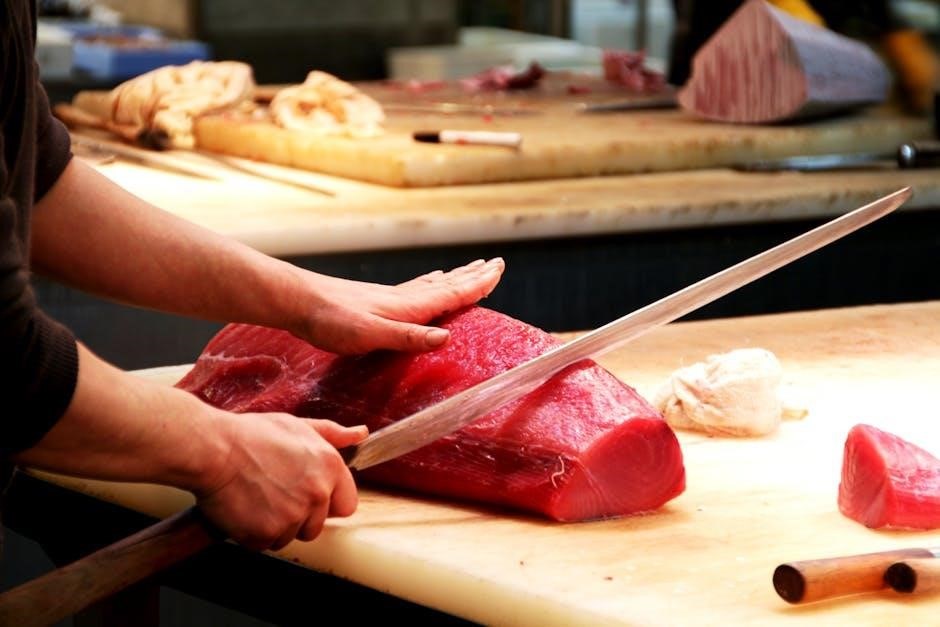
Understanding the cut of meat is crucial for optimal slicing․ Different cuts, like steaks or roasts, require tailored techniques to enhance tenderness and flavor․ Always use the right tool for the job, ensuring precise cuts that bring out the best in each piece of meat․
Slicing Steaks for Optimal Tenderness
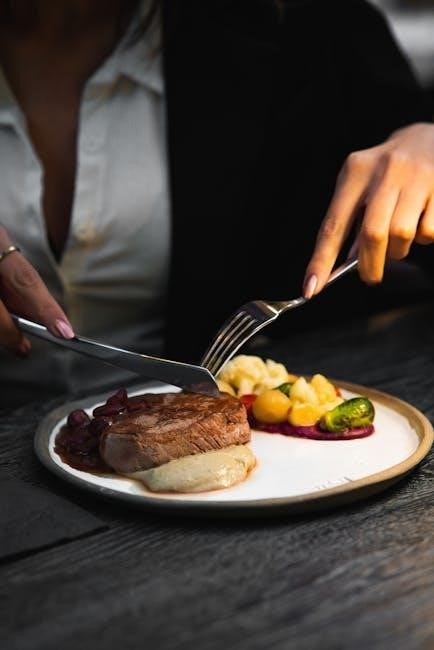
Slicing steaks requires precision to maximize tenderness and flavor․ Always slice against the grain, cutting perpendicular to the muscle fibers for a more tender bite․ Use a sharp knife to ensure clean cuts and prevent tearing․ For even cooking, aim for uniform thickness in each slice․ Chill the steak slightly before slicing to firm the meat, reducing fat smearing․ Apply steady, even pressure while slicing, especially for thicker cuts like ribeye or sirloin․ This technique ensures your steaks are juicy, flavorful, and visually appealing, perfect for any culinary dish․
Preparing Roasts for Thin Slices
Preparing roasts for thin slices begins with chilling or par-freezing the meat to firm it up, reducing fat smearing and making slicing easier․ Use a sharp, long knife to ensure clean, precise cuts․ Always slice against the grain for maximum tenderness, as cutting perpendicular to the muscle fibers shortens their length․ Apply steady, even pressure to maintain uniform thickness, especially for larger roasts․ This technique ensures each slice is consistent, juicy, and visually appealing, perfect for sandwiches, salads, or serving as a main dish․ Proper preparation enhances both flavor and texture, making your roasts a standout in any meal․
Cutting Pork Belly for Crisp Results
Cutting pork belly for crisp results requires precision and the right techniques․ Begin by chilling or par-freezing the meat to firm it up, ensuring clean cuts․ Use a sharp, long knife to slice thinly against the grain, which helps achieve tender and even pieces․ For crispy results, pat the slices dry to remove excess moisture before cooking․ Apply steady pressure for uniform thickness, especially when slicing larger portions․ This method ensures your pork belly retains its signature crisp exterior and tender interior when cooked, making it perfect for dishes like bacon or roasted crackling․
Tips for Home Cooks
For home cooks, chilling meat before slicing ensures cleaner cuts and reduces fat smearing․ Use a sharp knife and apply steady pressure for consistent results․ Always slice against the grain for tender, flavorful dishes․
Chilling Meat for Easier Slicing
Chilling meat before slicing is a simple yet effective technique to achieve cleaner, more precise cuts․ By firming the meat, it reduces fat smearing and prevents the meat from tearing․ This method is especially useful for fatty cuts like pork belly or beef․ Simply place the meat in the refrigerator for about 30 minutes to an hour before slicing․ For tougher cuts, slightly freezing the meat can make it easier to handle and slice evenly․ Remember, chilling enhances control and consistency, ensuring your slices are uniform and visually appealing․ This step is crucial for home cooks aiming for professional-quality results․
Using the Right Blade for the Job
Selecting the appropriate blade is crucial for achieving precise and efficient meat slicing․ A sharp chef’s knife is ideal for most meats, while a serrated knife works best for tougher cuts․ For thin, uniform slices, consider using a meat slicer with interchangeable blades․ Dull blades tear meat, leading to uneven results․ Always match the blade type to the meat’s texture and thickness․ Regularly sharpening and maintaining your blades ensures clean cuts and prevents waste․ The right blade enhances control, making slicing easier and more effective for both home cooks and professionals․
Steady Pressure for Consistent Slices
Applying steady, even pressure is key to achieving consistent slices when cutting meat․ This technique ensures uniform thickness, which is vital for even cooking․ Steady pressure prevents the knife from applying too much force in one area, which can lead to uneven cuts or tearing․ By maintaining control and moving the knife smoothly across the meat, you can produce professional-quality results․ Whether using a chef’s knife or a meat slicer, consistent pressure guarantees precise and visually appealing slices, enhancing both the texture and presentation of your dishes․

Expert Tips and Tricks
Sharpen knives regularly, chill meat before slicing, and use the right blade for precise cuts․ These expert tips ensure tender, even, and visually appealing meat slices every time․
Maintaining Razor-Sharp Knives
Maintaining sharp knives is crucial for precise meat slicing․ Regularly sharpen knives using a whetstone or sharpener to ensure clean cuts․ A dull knife tears meat, leading to uneven slices․ Store knives in a dry place, away from other utensils, to prevent dulling․ After use, wash and dry thoroughly to avoid rust․ For optimal performance, hone knives before each use to realign the edge․ Sharp knives not only improve slicing efficiency but also enhance safety, reducing the risk of accidents․ Proper care ensures longevity and consistent results in your meat slicing tasks․
Mastering the Art of Even Slicing
Even slicing ensures uniform cooking and a professional presentation․ To achieve this, always slice meat when it’s chilled or slightly frozen, as this firms the texture․ Use a sharp knife and maintain steady, consistent pressure․ Slice in one smooth motion, avoiding sawing, which can tear the meat․ For thin cuts, consider using a meat slicer or mandoline․ Pay attention to the grain direction to ensure tenderness․ Practice makes perfect, so experiment with different techniques to find what works best for you․ Even slices guarantee a better dining experience every time․
Innovative Techniques from Chefs
Chefs worldwide employ cutting-edge methods to elevate meat slicing․ One technique involves freezing meat slightly to firm it, enabling thinner, more precise cuts․ Others use specialized tools, like Japanese slicers, for uniform results․ Slicing against the grain is a favored approach to ensure tenderness․ Some chefs apply a bias cut for visually appealing presentations, while others incorporate knife sharpening rituals to maintain razor-sharp edges․ These innovative practices, combined with a deep understanding of meat structure, allow chefs to create dishes that are both aesthetically stunning and bursting with flavor, setting their culinary creations apart․
Mastering meat slicing enhances culinary skills, ensuring tender and visually appealing dishes․ Proper techniques, tools, and safety practices lead to professional-quality results, elevating every meal․
Summarizing Key Slicing Principles
Effective meat slicing begins with understanding the structure of meat, focusing on muscle fibers and grain direction․ Always slice against the grain for tenderness․ Essential tools include sharp knives and meat slicers․ Techniques like straight, bias, and julienne cuts ensure versatility․ Chilling meat firms it up, reducing fat smearing․ Using the right blade and steady pressure guarantees even slices․ Safety is paramount—handle knives carefully and maintain hygiene․ Mastery comes with practice, refining your skills for consistent results․ These principles elevate your culinary expertise, ensuring every cut enhances flavor, texture, and presentation․
Final Thoughts on Meat Slicing Mastery
Mastering meat slicing transforms culinary preparation, ensuring tender, flavorful dishes․ Key principles include understanding grain direction, using sharp tools, and applying consistent pressure․ Techniques like straight and bias cuts offer versatility, while chilling meat enhances precision; Patience and practice refine skills, leading to uniform, professional-quality slices; By adhering to safety guidelines and maintaining hygiene, you protect both the process and the final product․ Achieving mastery in meat slicing elevates everyday meals and special occasions, delivering a superior dining experience․ Embrace these principles to unlock the full potential of your culinary creativity․
Leave a Reply
You must be logged in to post a comment.